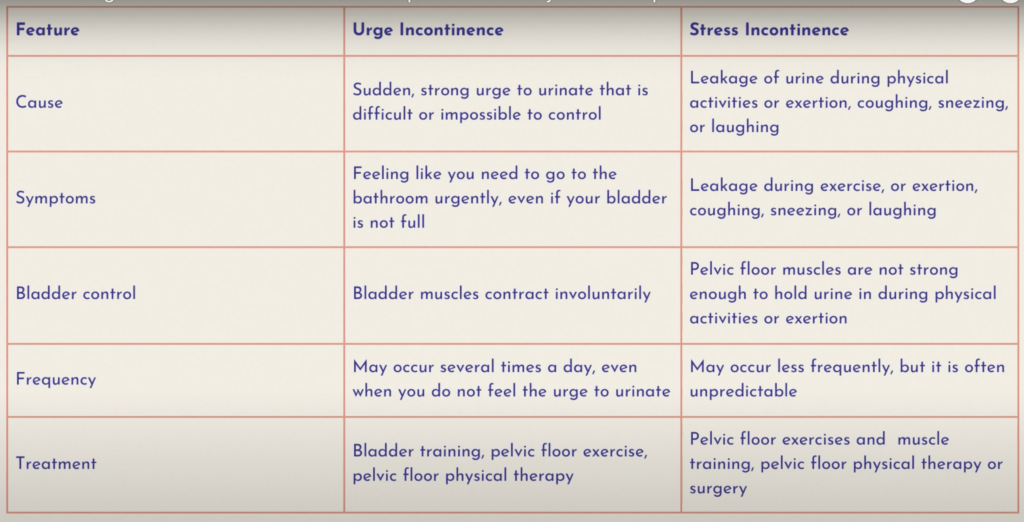
Urinary Incontinence In Postmenopausal Females Triggers, Signs, Treatment Parkinson's causes the steady loss of brain cells that create dopamine-- a chemical that assists control movement and automated body features, consisting of bladder control. As Parkinson's progresses, other chemical modifications in the brain and nerves-- beyond dopamine-- may likewise impact bladder feature. Women who are diagnosed with diabetics issues are at threat of creating a bigger bladder. With mindful relaxation, you may have the ability to decrease the feeling of urgency over time. Breathing deeply and practicing Kegel workouts may be practical when you are attempting to prolong the size of time prior to urinating. Bladder training involves establishing a routine for peeing, and afterwards gradually boosting the amount of time in between sees to the washroom. It might work to begin keeping a bladder journal that details what you've had to consume alcohol, when you've peed, any kind of leaks that occurred, and the strength of need you might have really felt. One in four ladies older than 18 has episodes in which she unwillingly leaks urine. Among women with urinary system incontinence, much less than half have actually reviewed it with their physician. Pelvic flooring muscle workouts (Kegels) are a go-to for treating over active bladder and stress and anxiety urinary incontinence. If you do them regularly, you'll reinforce the muscular tissues that control urine circulation and support the bladder. Maternity, childbirth, and menopause all influence women's bladder health and wellness. These events can damage the pelvic floor muscle, which sustains the bladder and aids you keep control. Surgical treatment must be made use of when traditional treatment will certainly not bring positive outcomes. According to guidelines, traditional treatment must include pharmacotherapy, physiotherapy, and behavioral therapy. Countless scientific reports show efficacy of physiotherapy in the therapy of urinary system incontinence. Urinary system incontinence is an interdisciplinary problem since along with the ball straight related to medicine, it likewise worries the economic and social rounds. The most recent information reveal that urinary incontinence in postmenopausal females happens regularly than various other human being diseases such as diabetic issues, high blood pressure or anxiety. In ladies, anxiety incontinence is frequently triggered by maternity, childbirth, weight gain, or menopause.
What Clinical Therapies Are Most Reliable For Handling Overactive Bladder Signs?
This weakening can occur after giving birth or after menopause because of the absence of estrogen production. It can vary from a couple of drops of pee when you sneeze or laugh to a solid desire that leads to a crash prior to you can get to the washroom. Bladder leak might signify a hidden pelvic floor disorder, and is worth professional assessment.Can a weak bladder repair service itself?
The bladder can regrow like nobody''s organization and now we know why. The bladder is a master at self-repair. When harmed by infection or injury, the organ can heal itself promptly, calling upon specialized cells in its lining to repair cells and restore a barrier against damaging products concentrated in urine.
- For the urinary system to do its task efficiently, muscle mass and nerves have to interact to hold urine in the bladder and then launch it at the right time.Nerves carry signals from the bladder to the brain-- to allow the brain know when the bladder is complete - and from the mind to the bladder-- to allow the bladder recognize when it's time to pee.Urinary incontinence is not a condition or problem but rather a symptom of an underlying concern-- and it can be dealt with.Timed nullifying or arranging bathroom sees allows you educate your bladder and often minimizes the consistent urge to pee.
Urinary Incontinence At A Glance
Nerve damages, urinary system system infection, and stomach injury can all affect the bladder and trigger OAB. Sacral nerve excitement entails implanting a tool to send signals to the nerves that manage the bladder. This Get more information can help with urge incontinence and other overactive bladder signs and symptoms. As we age, a decline in all-natural collagen fibers triggers muscles and tendons to shed their strength, making UI most likely. Of the 25 million adult Americans struggling with some kind of urinary system incontinence, 75-80% of those are ladies. Bladder problems can range in intensity from occasionally dripping urine when you sneeze or cough to having an overactive bladder that causes you to urinate a lot more often than normal. Talk with your treatment team if you're experiencing bowel signs-- assistance and treatment options are readily available. Tibial nerve excitement (PTNS) utilizes moderate electric pulses near your ankle to influence the bladder nerves, normally done weekly. If you have conditions that impact the bladder, like multiple sclerosis or spinal cord injuries, these home techniques can sometimes make a real distinction. Bladder problems are additionally usual during pregnancy due to the added stress on the pelvis and urinary tract from the growing fetus. Some usual bladder problems during pregnancy include urinary system incontinence (leaking pee when coughing or sneezing), UTIs, and interstitial cystitis (unpleasant bladder disorder). Bladder (or urinary system) problems prevail in Parkinson's disease (PD) and can influence quality of life.